Context graphs, decision traces, and the missing layer in business operations
There’s a growing conversation around context graphs and decision traces.
But to understand where they fit, it’s important to ground them in how businesses actually operate.
Business operations are not dashboards or reports.
They are a continuous loop:
Metrics move → analysis is performed → decisions are made → actions are taken → outcomes follow.
Any system that claims to capture “context” in this domain needs to represent that loop end to end.
A simple example: growth slowdown
Consider a common scenario: growth begins to decelerate month over month.
A decision trace might capture:
- Slack threads
- meeting discussions
- the eventual decision to adjust spend, messaging, or onboarding
That’s useful — but incomplete.
Because without structure, it’s just a record of what happened.
The importance of an operational backbone
A decision trace becomes far more valuable when it’s anchored to a clear model of the business.
For example:
- What exactly does “growth” mean?
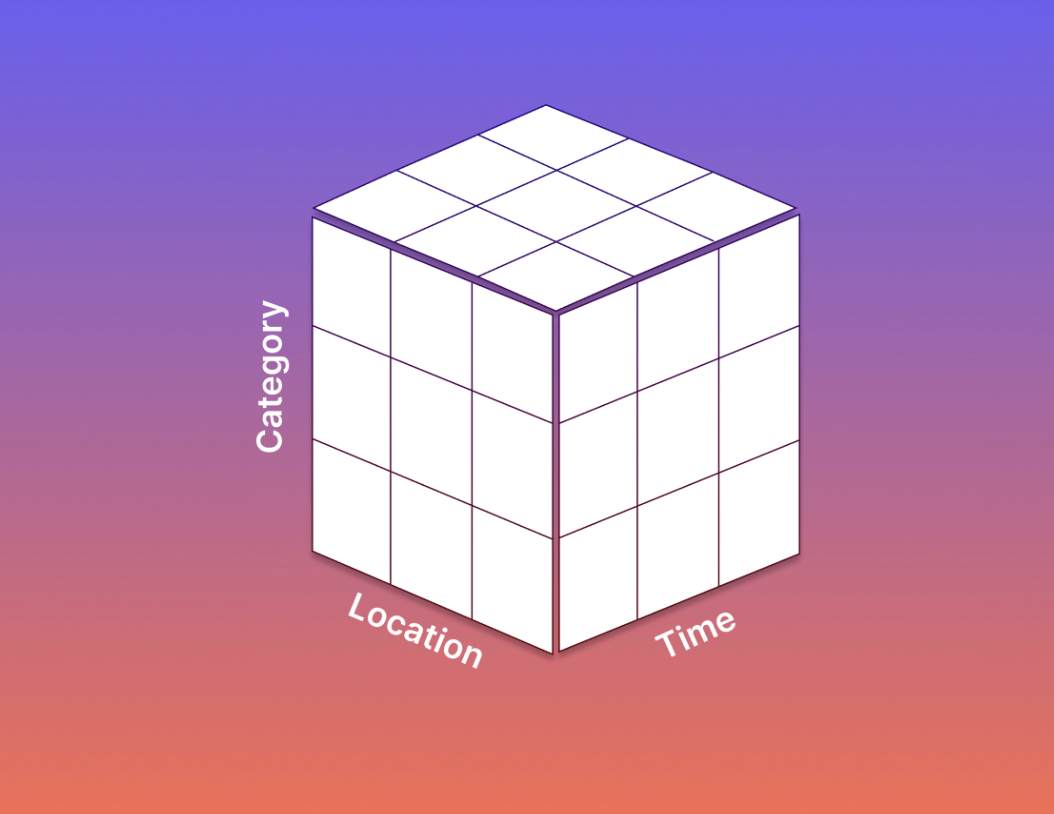
- How does it decompose — acquisition vs. activation vs. retention?
- How do different segments contribute — channels, cohorts, customer types?
- How are these metrics evolving over time?
Without this foundation, decisions are disconnected from the underlying system they’re meant to influence.
Where computable business models come in
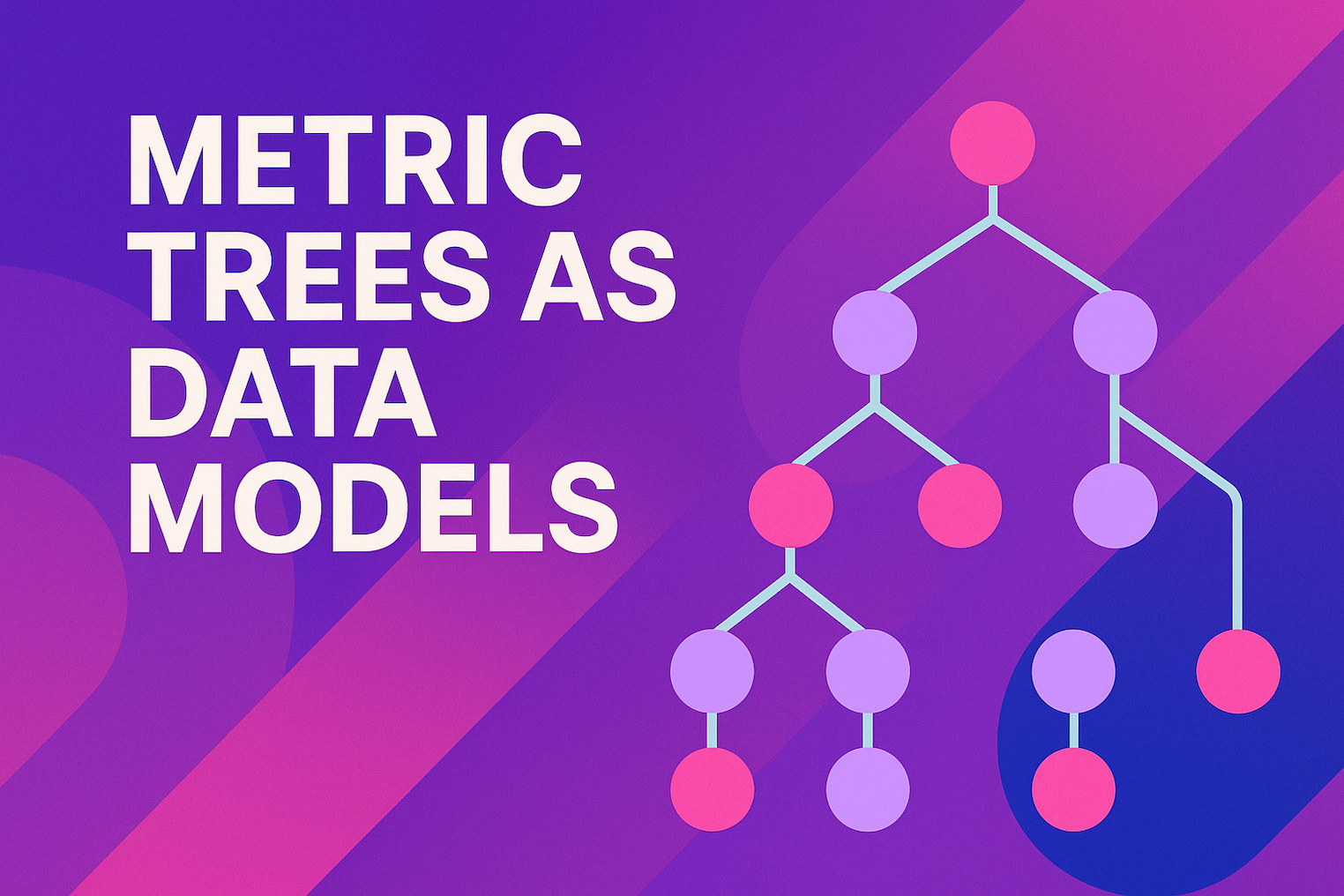
This is where computable business models — such as metric trees — become essential.
A metric tree encodes how the business actually works:
- how top-line outcomes decompose into input metrics
- how those inputs vary across dimensions
- how changes propagate through the system
It provides the structure needed to move from observation to explanation.
From anecdotes to systems
Once this foundation exists, decision traces become meaningfully more powerful.
They can tie decisions directly to:
- the specific analysis paths that were traversed
- the quantified drivers that were identified
- the tradeoffs that were visible at the time
At that point, decision traces stop being anecdotal.
They become:
- explainable
- reproducible
- auditable
And, importantly, learnable over time.
The right order of operations
The takeaway for business operations is simple:
First-order: model how the business actually operates.
Second-order: capture how humans reason and decide on top of that model.
Get that order right, and decision traces become more than documentation.
They become a system for compounding operational learning.